Hormone Adjustments And Urinary System Incontinence In Women
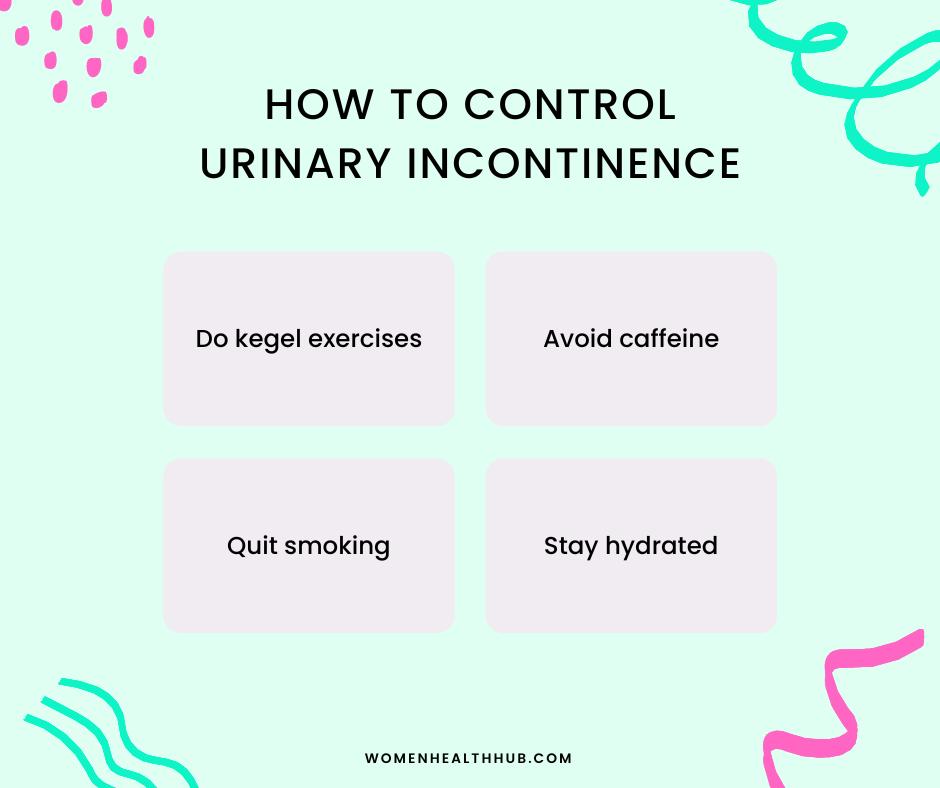
Therapists use assisted exercises, breathing strategies, and pose training to aid enhance stamina, sychronisation, and leisure. It can assist with far better bladder control, reduced pelvic pain, and improved self-confidence and quality of life. Among postmenopausal women, UI is still a common and complex problem that has a substantial adverse influence on wellness and quality of life. A comprehensive approach to this problem will certainly minimize UI's unfavorable impacts on culture as a whole while all at once boosting individual wellness end results. Luckily, different monitoring approaches and treatments are available for UI, and women experiencing this concern needs to not wait to look for aid. Way of life adjustments, such as weight monitoring, pelvic flooring workouts (like Kegel workouts), and bladder training can be valuable.
Exactly How Does Pregnancy Cause Urinary Incontinence?
Menopause-related hormone shifts can irritate the bladder and contribute to this problem. Overall, the research studies stress the complexity of UI in postmenopausal females, where aspects such as age, hormonal modifications, and way of living contribute to the variability in prevalence and sign severity. If you are uncomfortable or unpredictable concerning doing Kegel workouts by yourself, a doctor or registered nurse can likewise educate you just how to do Kegels. A pelvic flooring physical therapist or other expert might likewise be offered in your location to help educate you exactly how to enhance these muscles.Just How Estrogen Loss Effects Urinary Function
Problems with urinary function-- such as urinary incontinence and infections-- are often accepted as a demanding, unavoidable truth of getting older, but they don't have to be. There are numerous therapy choices available at WWMG that can help you return to living your life without these uneasy, unpleasant, difficult, and often unpleasant problems. If you're undergoing or have actually experienced menopause, you might see large adjustments in your vaginal and urinary system function. From uneasy sex, to genital dry skin, an adjustment in libido, urinary system incontinence, and genital infections, it can be hard to recognize what is (and isn't) a typical part of aging.For instance, you may just leak a couple of decreases of pee when you laugh, workout, coughing, or get hefty items. Or you might experience a sudden urge to pee and be incapable to maintain it in prior to reaching the restroom, leading to a mishap. While urinary incontinence can impact individuals of all ages, it's particularly usual in females due to aspects like pregnancy, giving birth, menopause, aging, and hormone modifications.
- When the infection is removed, your UI will likely deal with or boost.Still, without some kind of intervention-- whether that's way of living adjustments, pelvic flooring treatment, or medical assistance-- incontinence generally does not enhance its own.Another remarkable impact estrogen carries the urinary system system is exactly how it aids the bladder battle an infection.One major restriction of the current body of research is the irregularity in analysis tools and approaches throughout studies.
This kind of urinary incontinence is usually caused by physical changes that result from maternity, childbirth, or menopause. Pelvic flooring muscle reinforcing with Flyte can stop or reduce bladder leaks. Flyte uses the tried and tested therapy technique of mechanotherapy to enhance and tone the pelvic floor muscle mass in only 5 mins a day for 6 weeks. Flyte's mechanotherapy was displayed in study to raise the impact of your Kegels by 39x-- suggesting you see outcomes quickly. Flyte is a convenient, easy, and effective treatment service for ladies looking for relief from bladder leakages with outcomes equivalent to surgical procedure in a non-invasive treatment choice from the convenience of home.
It aids preserve the strength and adaptability of the bladder, urethra, pelvic floor muscular tissues, and vaginal tissues. When estrogen levels go down throughout menopause, these cells can come to be thinner and weaker, making bladder control harder. This hormonal change, combined with age-related changes, boosts the threat of urinary signs and symptoms like urinary incontinence and over active bladder. This research study aims to evaluate the subsisting literary works on the partnership in between menopause and urinary system incontinence (UI). To locate study that met the addition criteria, a detailed computerized search of pertinent data sources was executed. An extensive search was performed on PubMed, SCOPUS, Scientific Research Direct, Cochrane Library, and Internet of Scientific research to situate relevant material. Among postmenopausal ladies, UI is still a typical and complicated issue that has a significant negative influence on well-being and life quality. There is no question that menopause, aging, and UI belong, but there is still much to learn about the underlying factors and practical treatment choices. The quality of care for postmenopausal women with UI can be enhanced by standardizing analysis procedures, emphasizing non-hormonal therapy, and resolving socioeconomic and way of life determinants. These and other efforts will be resolved in future study and professional method. Hormones play a vital function in keeping Additional hints bladder control and overall urinary health. Specifically, estrogen and progesterone aid sustain the bladder, urethra, pelvic flooring muscle mass, and surrounding cells that interact to control peeing.